Essential Guide to Airbnb Taxes: What Every Host Needs to Know

Airbnb taxes can be tricky to figure out. Follow these useful tips that can help you to file your Airbnb taxes hassle-free.
If you are a host on Airbnb, it’s important to remember that you may owe tax on the income that you receive. For most of the hosts, Airbnb taxes can be tricky to figure out, especially if you rent out multiple properties at a time.
The following tax guidance will help you to manage your tax burden effectively and can even reduce your overall tax liability. It’s no replacement for the advice of a tax professional who’ll be best to advise you about rules, tax credits, and other taxes to remember.
Key Takeaways:
- Airbnb hosts must pay income tax on the income generated via hosting, which includes all payments (such as cleaning fees) received from guests.
- Airbnb may withhold a percentage of US hosts’ income (which could be as high as 30%), if they don’t complete the appropriate tax forms.
- You can deduct various rental expenses, such as guest supplies, advertising, and service fees, to help lower your tax liability.

Understanding Tax Requirements for Airbnb Hosts
What Taxes Are Charged on Airbnb?
Airbnb hosts may be required to collect and remit various local taxes depending on their location. These taxes can include:
- Occupancy taxes
- Value added tax (VAT)
- Goods and Services tax (GST)
Additionally, Airbnb is required to collect VAT on its service fees in certain countries.
Filing and Reporting Airbnb Income
How to Report Your Airbnb Income on Taxes
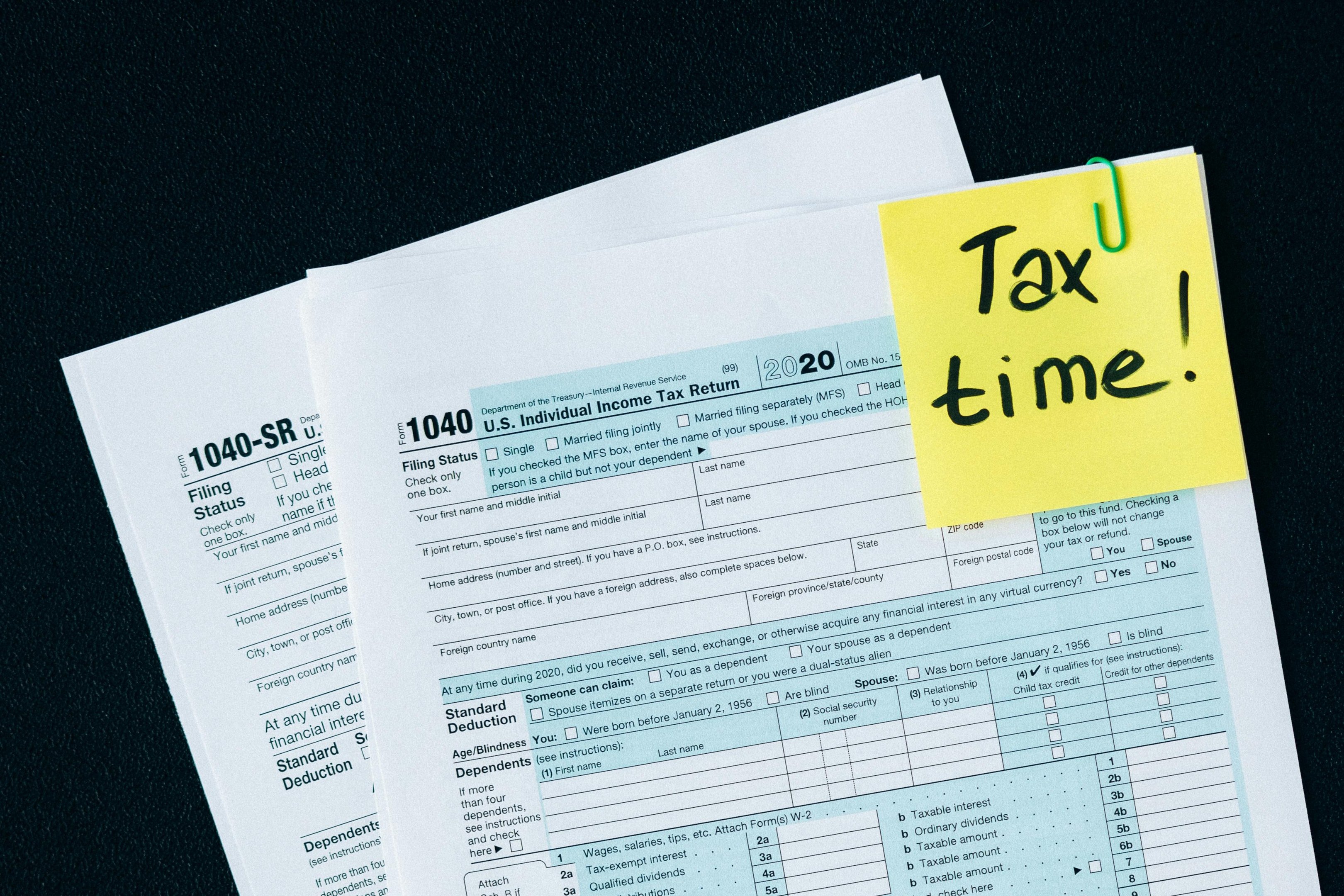
Airbnb hosts in the US typically need to report their rental income on Schedule E (Supplemental Income and Loss) of their Form 1040 tax return. If the host practices as a sole proprietor, they might need to report income on Schedule C (Form 1040), Profit or Loss from Business, instead.
Does Airbnb Report Taxes to the IRS?
Yes, Airbnb reports certain income to the IRS. For US hosts, Airbnb issues Form 1099-K if their earnings exceed $20,000 in gross transactions and they have more than 200 transactions in a year.
Additionally, Form 1099-MISC may be issued for other reportable income types not included on the previous form like miscellaneous payments and settled resolutions.
For non US hosts, Airbnb may issue Form 1042-S for reporting withheld taxes.
Managing Tax Forms and Compliance
Completing Essential Tax Forms
Airbnb is required to withhold a percentage of your rental income if you fail to provide them with a W-9 form, one of the essential tax forms for year-end tax reporting. In most cases, your effective tax rate will be much lower than the percentage withheld. So, there is no need to create a hassle that could easily be avoided.
Unless you want to deal with tax authorities holding your overpayment all year long, make sure to file your W-9 form with Airbnb. Once this form is filed, Airbnb can give you immediate access to the maximum amount of rental income you are permitted to receive according to your tax status.

Keeping Accurate Records
Importance of Recordkeeping for Airbnb Hosts
If you want to fill out your Airbnb tax return correctly, you need to have accurate records of when you rented out your property. In addition to the dates your property was rented out on the Airbnb platform, you’ll also need to keep your own records of the days that you occupied the property yourself.
Accurate records are crucial for proper tax reporting and compliance with US tax law requirements for Airbnb hosts.
Keep in mind that vacation rental sites like Airbnb and Vrbo send a form 1099-K only to hosts who have more than 200 reservations and earned over $20,000. If your profit is less than this, it doesn’t mean that you don’t owe taxes. Keeping records of your reservations will make it easier for you to calculate the amount of tax you should pay.
In addition, you’ll be able to calculate which expenses qualify as business expenses versus personal expenses like mortgage interest. These rental records will also help you to determine if you are eligible for the 14-day rule, which could potentially mean that you owe no Airbnb taxes on your property for the year.
To help you track your earnings and payments, you can use a tool like iGMS, for example. It includes rental analytics, like occupancy rate and nightly costs, and accounting software, helping Airbnb hosts (including non US hosts) to:
- Track expenses
- Review incoming revenue from reservations
- Track earnings per booking
- Generate customized property owner statements
- Set up custom service and cleaning fees for each reservation
- Export reports as CSV files to accommodate other expenses

Leveraging Tax Benefits and Deductions
Learning About the 14-Day Rule
If you are renting your home on Airbnb or other vacation rental sites, make yourself familiar with the 14-day rule. Understanding tax laws, such as the 14-day rule, can help hosts avoid unnecessary taxes.
According to this rule, you are not required to pay Airbnb taxes on income generated from your short-term rental if the following two conditions are present:
- You do not rent out your property for more than 14 days in a year.
- You must use your property personally for at least 14 days of the year (or 10% of the total number of days that you rent out the property to guests).
Even if you only rent out a single room of your home, the 14-day rule can still be applied in the same manner as if you had rented out your entire home.
Tracking Your Business Expenses for Tax Deductions
The IRS allows you to deduct business expenses related to your Airbnb business as tax deductions. Business expenses are a very important source of deductions for your Airbnb taxes that could save you a lot of money.
Cleaning fees paid by guests are considered taxable income and should be recorded for tax purposes. However, if there are any costs that you incurred, such as buying toiletries for your guest or paying cleaning service fees to a cleaning company, these costs can be deducted either partially or completely on your taxes. Some additional examples of other expenses that you can deduct to reduce your tax liability include:
- Maintenance fees
- Utilities
- Property insurance
- Property management fees
- Advertising fees
- Property taxes
- Trash removal services
- Property improvements
- Linens (for your guests)
- Furniture (for your guests)
Another major deduction that you should not forget about is the fact that you can deduct the service fees that are charged by Airbnb on your bookings. Just make sure that you maintain all of your receipts related to any deductions that you claim. If you are ever audited, you will need to provide documented proof of your deductions.
While keeping track of your business expenses might seem time-consuming, ultimately it means less money that you’ll have to spend on Airbnb taxes. That means more profits for you and more money to invest back into your rental business.

Understanding Local and Self-Employment Taxes
Learning About Occupancy Taxes
Some local governments impose local taxes, including occupancy taxes, on short-term rentals. Given that Airbnb is not exclusively responsible for helping you to manage your obligations with regard to Airbnb taxes, you may be required to remit these taxes on your own.
The regulations surrounding occupancy taxes vary greatly from one city to the next. In addition, the name of the tax itself may also vary, with some cities referring to occupancy tax as a hotel tax or transient lodging tax.
Find out from your local government if you are required to pay this tax, and then check with Airbnb to see if Airbnb will remit this tax on your behalf. In many cases, hosts are required to collect this tax directly from guests and submit the money to the tax authority.
Consulting a Tax Professional for Self-Employment Taxes
If you offer additional services for your Airbnb business, such as meals or laundry services, the IRS may actually consider you as running a business rather than as receiving passive income as a real estate investor. In this case, you will have additional tax obligations, including the requirement to report your income and expenses as self-employment income.
If you are self-employed, you’ll also be responsible for paying self-employment taxes, in addition to income taxes. Self-employment taxes include Social Security and Medicare contributions on the income that you earned as a result of being in business for yourself as an Airbnb host.

Meeting Tax Deadlines
Filing Your Income Tax Return and Paying Your Airbnb Taxes On Time
Aside from the annual April 15th deadline for US federal income taxes, you will also need to know filing deadlines to pay self-employment taxes or occupancy taxes. Make sure to pay your Airbnb taxes on time so that you do not end up owing penalties and interest on your tax bill.
Airbnb understands that taxes are a necessary component of managing your rental business so they have created some resources to help hosts. However, it is ultimately up to you to make sure that you pay all of the Airbnb taxes that you owe.
Useful Tax Resources
Here are some valuable resources to help you manage your Airbnb taxes:
Comprehensive information on tax forms, deductions, and filing requirements for US hosts | |
Detailed articles on tax obligations for Airbnb hosts | |
Tax filing software with features for rental property income | |
Tax preparation services and resources for short-term rental hosts | |
Legal guides and articles on rental property taxes | |
Database with certified public accountants (CPA) specializing in real estate and rental properties | |
Resources and professional support for tax-related issues | |
Research and data on tax policies and their implications |
Final Thoughts
Navigating the complexities of Airbnb taxes can be daunting, but understanding and following the essential tips outlined in this guide can significantly ease the process.
From knowing what taxes are charged and how to report your income earned to filing your income taxes on time, there are many aspects involved. As such, always consult with a tax professional to ensure you’re fully compliant with all tax laws and taking advantage of all possible deductions.
It’s also important to regularly review any updates to tax laws and regulations that may impact your Airbnb hosting activities. They can change frequently, and staying informed can help you avoid unexpected liabilities and take advantage of new deductions or credits.
FAQs
Do Airbnb hosts need to submit a tax return?
Yes, in most cases, the rental income is treated as taxable and Airbnb hosts will need to submit a tax return.
Does Airbnb collect and pay taxes on behalf of a host?
In specific jurisdictions, Airbnb does collect and remit certain taxes. However, Airbnb doesn’t handle your personal income tax in any country.
What expenses can I deduct from my Airbnb income?
There are various legitimate expenses that an Airbnb host may be eligible to deduct from their income. These include:
- Cleaning, laundry, and toiletries provided to guests
- Maintenance
- Repairs
- Utilities
- Advertising
- Vacation rental platform fees
- Vacation rental insurance
Legal Disclaimer
iGMS and its affiliates do not provide tax, legal or accounting advice. The information contained in this article has been prepared for informational purposes only, and it is not intended to provide, nor should it serve as tax legal or accounting advice. You should consult your own tax, accounting, and legal advisors for assistance in preparing your taxes.