Top 9 Airbnb Competitors That Attract Loyal Travelers

Besides Vrbo and Booking.com, there are several other great Airbnb competitor platforms that you can use to promote your vacation rental business. Discover the key benefits of some of the most prominent listing websites for vacation rentals other than Airbnb.
Key Takeaways:
- Cross-listing your property on platforms like Vrbo and Expedia, in addition to Airbnb, can significantly improve your visibility, as these sites also have large traveler bases.
- Vrbo, Booking.com, and Expedia are rated as the main competitors of Airbnb.
- Sites like Airbnb are great for alternative accommodations like tree houses, but hosts without a unique property who want to appeal to niche groups can also check out Plum Guide, BringFido, and Homestay.
Airbnb is undoubtedly a vacation rental giant, perhaps the most popular. However, listing your vacation rentals on multiple vacation rental websites is a smart way to ensure business growth.
Platforms often attract different types of guests, so you'll present your vacation rental space to a larger pool of renters. Plus, considering that by 2027, 75% of the vacation rental market’s total revenue will be generated online, you’ll want to explore more options for how you can grow your online presence.
Check out these Airbnb competitors and alternatives to learn about the key features to secure your place within the short-term rental market and compete against the hotel industry.

9 Top-rated Airbnb Alternatives
1. Vrbo
Vrbo, which stands for Vacation Rental By Owner, is a major competitor to Airbnb boasting about two million home rentals worldwide. While Airbnb and Vrbo are quite similar, Vrbo offers only private vacation rental properties, unlike Airbnb, which also offers room rentals and shared spaces.
Part of the Expedia Group, it’s especially popular among families. Plus, as Vrbo guests tend to stay longer, it’s also a good option for hosts who want to explore the idea of offering mid-term rentals.
Best for:
Hosts with family-friendly home rentals.
Key features:
- It doesn’t allow hosts to list just a room.
- Vrbo charges 5% per booking and a 3% credit card processing fee.
- It includes a liability coverage of up to $1 million.

2. Booking.com
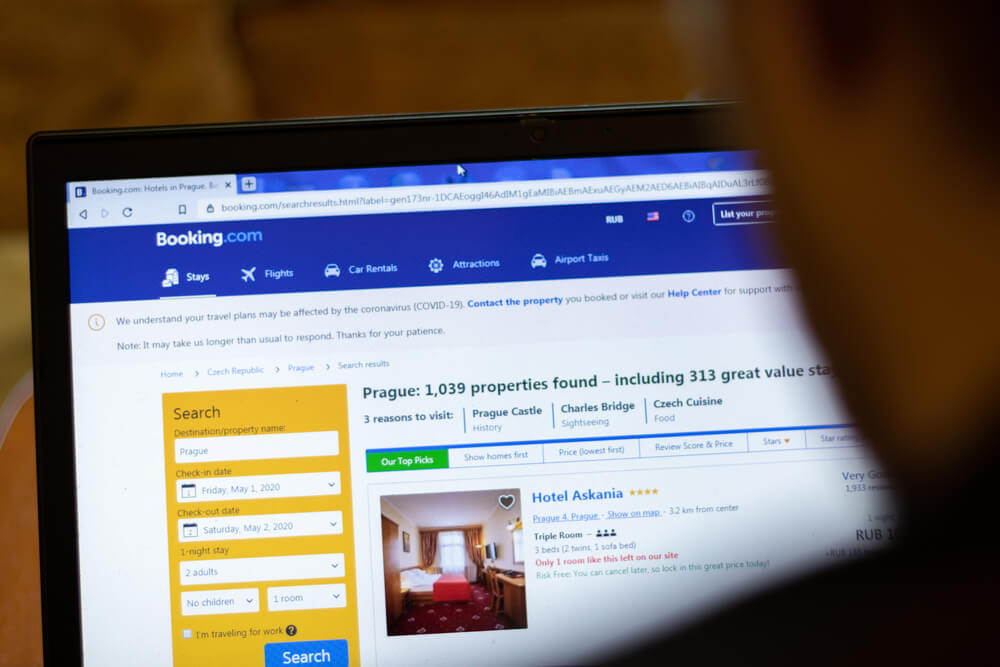
Originally, Booking.com was known for hotel bookings, but it has diversified and grown to include nearly 7 million homes, apartments and unique accommodations. In fact, it’s now one of the most significant Airbnb competitors on the market today due to the size of its offerings of vacation rental properties and has a strong international presence specifically in Europe.
Much of its growth is thanks to its guest-friendly, easy-to-navigate user interface and instantly bookable vacation rentals. Along with its large selection of vacation rentals, its intuitives make it a favorite among inquiring guests. Thanks to its simplified booking process, listing on Booking.com can increase your occupancy rate.
Best for:
Hosts who are keen to offer flexible bookings.
Key features:
- A commission-based business model that charges hosts a percentage of each reservation based on the property type and location.
- Eligible hosts can join an exclusive Preferred Partner Program for extra visibility.
- Flexible cancellation options that make it more traveler-friendly.
- Advanced search and filtering system that shows guests the results based on exactly what they are looking for. This helps hosts to promote their property to their exact target audience.
3. Expedia
Expedia is another big player in the vacation rental industry and yet often overlooked by guests and hosts. As such, listing your property on Expedia can help you get ahead of the competition as many hosts don’t have it on their radar.
What’s more, when you list a property on Expedia, your listing will also appear on other leading online travel sites like Hotels.com, Travelocity, Orbitz, and Wotif.
Expedia also has a comprehensive travel rewards program across their brands. It allows travelers to earn and use rewards with three brands when booking hotel rooms, vacation rentals, flights, car rentals, and more.
Best for:
Hosts interested in offering all-inclusive vacation packages.
Key features:
- Commission rates are as low as 2% for vacation rentals.
- Car rentals, flights, and accommodation are all in one place making Expedia perfect for guests who don’t want to spend a lot of their time researching the best deals.
- Advanced tools like competitive set analysis and marketing programs to help hosts manage their short-term rental business.

4. Tripadvisor
Tripadvisor’s most prominent feature is that it shares direct feedback from the travel community. This is the number one reason why guests use it as a vacation rental marketplace. It was founded in 2000 and has a massive number of reviews that have been collected over the years, making it a trusted source of information for many travelers.
It could be that your property is already listed on Tripadvisor as travelers can also submit listings. In this case, you need to claim ownership which will allow you to upload photos, update details, and respond to guest reviews.
Best for:
Hosts who want to attract budget travelers.
Key features:
- It offers a suite of free and paid marketing products.
- Paid ads to drive more traffic to your direct booking page.
- Offers car rentals, best deals on flights, and accommodation, all in one place, making it a favorite among tourists.

5. Homestay
Homestay is another search engine for vacation rentals. What makes this Airbnb competitor stand out is that it focuses exclusively on vacation rentals where the host is present.
Here property owners can rent out private rooms, a shared room, or a bed at prices that are more suited for small budgets. It’s a great opportunity for property owners who are just starting out and have an extra room to rent.
Best for:
Beginner hosts who want to rent out only a room or attract budget travelers.
Key features:
- It’s free to join as host.
- Guests are charged a booking fee that’s 16% of the stay’s price which means that hosts will receive the full room rate per night.
- Ability to accept guest bookings automatically with Instant Accept.

6. HomeToGo
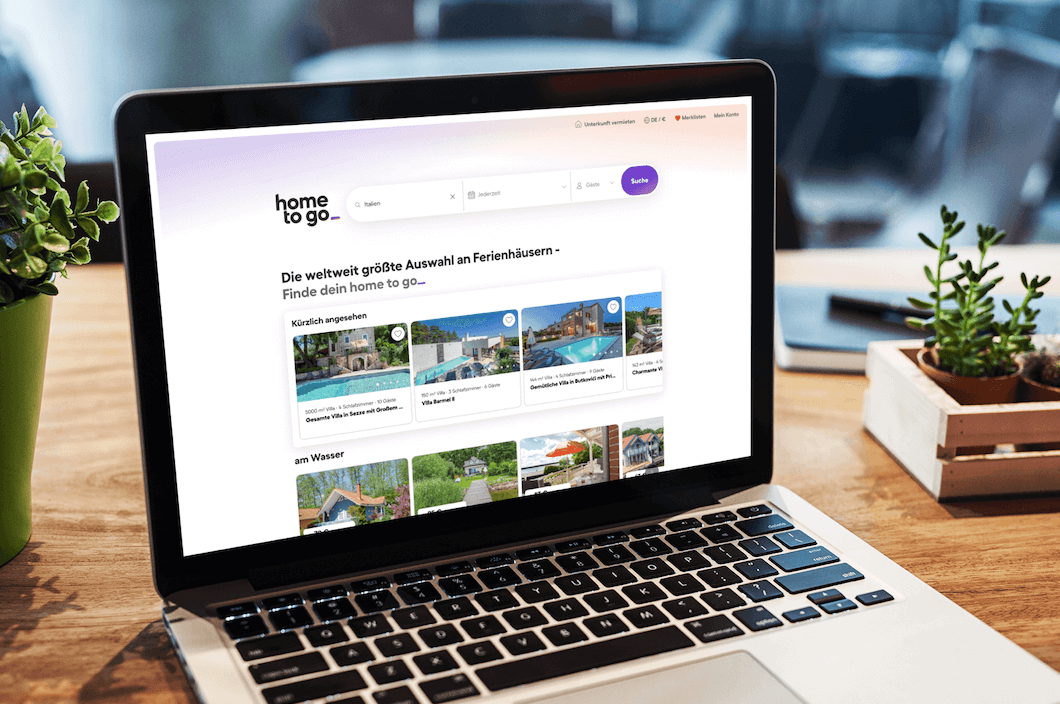
HomeToGo is a vacation rental search engine that allows users to search and compare over 20 million vacation rental listings from other vacation rental sites, including trusted partner sites like Vrbo. It has a wider range of listings because it aggregates listings from multiple platforms. This means that users can find unique and diverse rental options on HomeToGo that may not be available on Airbnb.
Alternatively, if you’re managing your own direct booking website too, you can also use HomeToGo as an extra channel. Their partner relations team will help you get this set up.
Publishing is free and the booking fee structure flexible. Hosts can choose between a host-only fee of 15% per booking or choose to split the fee with guests.
Best for:
Hosts with properties in Europe.
Key features:
- Direct communication with guests is allowed.
- The ability to set and implement your own cancellation policy.
7. Google Vacation Rentals
The list of top Airbnb competitors wouldn't be complete without Google. There's no specific platform, but it is part of the Google ecosystem which means that listings are shown across Google Search, Maps, and Google Travel.
Unlike Airbnb listings, you don't pay to be listed on Google Vacation Rentals. It redirects users to platforms like Booking.com, Tripadvisor or direct booking websites.
Best for:
Hosts who want to drive direct bookings.
Key features:
- A meta-search engine that displays vacation rentals across Google Search, Maps, and Travel.
- Hosts pay no booking fees.
- Direct booking websites can also show up in the search (when integrated with Google's approved connectivity partners like iGMS)8. BringFido
8. BringFido
BringFido is a pet travel platform dedicated to helping pet owners find and book pet-friendly accommodations, restaurants, and activities worldwide. Their focus extends beyond just accommodation to include a variety of pet-friendly experiences.
Founded in 2005, BringFido quickly became the go-to resource for pet owners who search for suitable places to stay when traveling with their furry companions. As a meta-search engine, BringFido scrapes listings from platforms like Airbnb and hotels from Booking.com.
For example, BringFido partners with pet-friendly hotels and offers a directory of licensed veterinarians, sitters, and groomers. Their mission is that pet owners find everything they need while traveling with their pets.
Best for:
Hosts with pet-friendly rentals.
Key features:
- Users can compare and book thousands of pet-friendly hotels and vacation rentals directly on the app.
- Includes a directory of licensed veterinarians, sitters, and groomers.
9. Plum Guide
Not many listing sites can compete with Airbnb in terms of the number of people who use the platform. However, some competitors — like Plum Guide — aren't as strong because they don’t want to appeal to the general public.
Instead, Plum Guide is a luxury vacation rental platform that targets high-end travelers looking for premium rentals. While they serve a niche market, they list over 30,000 rentals worldwide in 40 in-demand destinations across the world.
They demonstrate exclusivity by carrying out a strict vetting process. Each home gets vetted using their AI-powered curation model (previously they used local experts). In fact, they only accept a small percentage of properties (usually only the top 3%) that apply to be listed on their website.
Best for:
Hosts with luxury vacation rentals.
Key features:
- A matchmaking service that personally communicates with guests.
- Hosts need to pay a one-off onboarding fee and a service fee of 3% for each booking thereafter.
- Access to more mature guests who are less likely to cancel and more likely to stay longer.
- Photos taken professionally are a standard practice.
How Do I Choose the Best Platforms for My Short-term Rentals?
A multi-channel distribution strategy can improve your occupancy rates and boost your revenue. However, you need to choose the Airbnb alternative that’s best for your business type. Consider the following factors before adding your short-term rental accommodations to another platform:
Your target audience
Think about your ideal guest profile. Some platforms cater to specific types of travelers, such as families, business travelers, digital nomads, nature lovers, or couples. Choose a platform that aligns with your target audience to maximize your bookings.
Fees and costs
Different vacation rental platforms have varying fee structures for hosts (and guests). These fees can include listing fees, service fees, and payment processing fees. Understand the cost structure of each platform and calculate how it will affect your overall income.
Terms and conditions
Carefully read and understand the terms and conditions of the vacation rental platforms you’re considering. Pay attention to cancellation policies, payment processing, and any processes on dispute resolution. Make sure you are comfortable with the platform’s rules and regulations before you register with them!
Additional features
Be sure to look over the features and tools offered by each platform to help you manage your listing. This can include calendar management, pricing settings, communication tools, and the ability to add amenities or restrictions. Choose a platform that provides the tools you need to effectively manage your rental. For example, Airbnb has Instant Booking, which some other rental platforms might not have.
Local regulations
Be aware of local regulations and laws regarding short-term rentals. Some platforms may have partnerships with local governments to ensure compliance with regulations. Make sure the platforms/online travel agencies you choose are supportive of your legal obligations as a host.

User reviews and ratings
Read reviews and ratings from other hosts and property managers who have used the platform. This can give you insights into real-life experiences and any issues they may have encountered.
Customer support and assistance
You never know when you’ll run into an issue with your vacation homes so make sure that you’re happy with the level of customer support and assistance offered by each platform. You may need assistance with issues such as guest communication, booking inquiries, or technical problems. Choose a platform that provides reliable customer support.
Payment and payout options
Review the payment and payout options offered by each platform. Ensure that the payment methods are convenient for you and that the payout schedule meets your needs.

Tips for Listing on Multiple Vacation Rental Platforms
After you’ve determined which sites will suit your short-term rental business best, here’s how to start implementing your multi-channel distribution strategy:
Test the platform
Before fully committing to any single platform, you’ll first want to list your property on a few different sites simultaneouslyfor a short period to see which one performs the best. Monitor the number of inquiries, bookings, and overall experience.
Monitor performance
After listing your property, regularly monitor the performance of your listing on the chosen platform. Make adjustments to your pricing, listing description, and photos as needed to maximize your bookings.
Use software to avoid double-bookings
While listing on multiple third-party platforms is recommended, it increases the chances of receiving double-bookings. Aside from leading to poor ratings on listing profiles, too many double-bookings can result in penalties. Plus, you don’t want to appear as an amateur host who doesn’t know what they’re doing.
A channel manager can help property managers and hosts easily list their rentals on different sites by eliminating the need to manage each listing individually. When set up correctly, it will automatically synchronize your property’s availability across multiple sites so that any reservation on one channel will update instantly on the others
iGMS is one of the best. It offers integration with some of the most prominent Airbnb competitors to make your job a lot easier.
FAQs
- Should an Airbnb host list their property on another website?
Yes. We would recommend listing your property on more than one vacation rental listing site to give you the best chance of getting as many nights in your calendar booked as possible. It also keeps you from relying too much on Airbnb, a company that has seen its fair share of complaints and even lawsuits from hosts.
- What is the best alternative to Airbnb for hosts?
Vrbo and Booking.com are probably the biggest Airbnb competitors, so it makes sense to be present on both of them. However, many other platforms cater to specific types of travelers and listing on niche websites allow you to go beyond the general public and reach your target groups.
- Where can you list luxury rentals?
Plum Guides is a luxury vacation rental website that only accepts the top 1% to 3% of homes that pass its strict screening process. Homes & Villas by Marriott Bonvoy is another site that offers luxury rentals that can match hotel standards and let guests earn and redeem loyalty points.